
24 Türchen. 24mal BRATWURST. 24 Tage Vorfreude.
Was wäre die Adventszeit ohne eine kleine Überraschung jeden Tag? Und was wäre Weihnachten ohne den Klassiker Fränkische BRATWURST?
Ich habe beides miteinander verbunden und einen ganz besonderen Adventskalender entwickelt: den BRATWURST-Adventskalender aus der Metzgerei Böbel.
Dieser Adventskalender ist alles andere als gewöhnlich und für Bratwurstliebhaber, Genießer und Wurstfans genau das Richtige.
Hinter den 24 Türchen warten 24 wurstige Überraschungen darauf, entdeckt zu werden. Es gibt natürlich nicht jeden Tag die klassische Bratwurst. In den Türchen verbergen sich verschiedene BRATWURSTspezialitäten aus der Wurstküche und der Backstube.
Aber nicht alles, was im Wurstdarm steckt, ist zum Aufessen! Zwischen den leckeren Spezialitäten verstecken sich auch kleine Gegenstände. Zum Beispiel findet ihr eine Gewürzmühle im Adventskalender.
Was darin steckt? Das bleibt natürlich bis zum Öffnen geheim.
Nur so viel wird verraten: Wer uns und unser Konzept kennt, kann sich vielleicht schon denken, welches Gewürz darin auf seinen Einsatz wartet 🙂
Überraschungen – stilecht verpackt
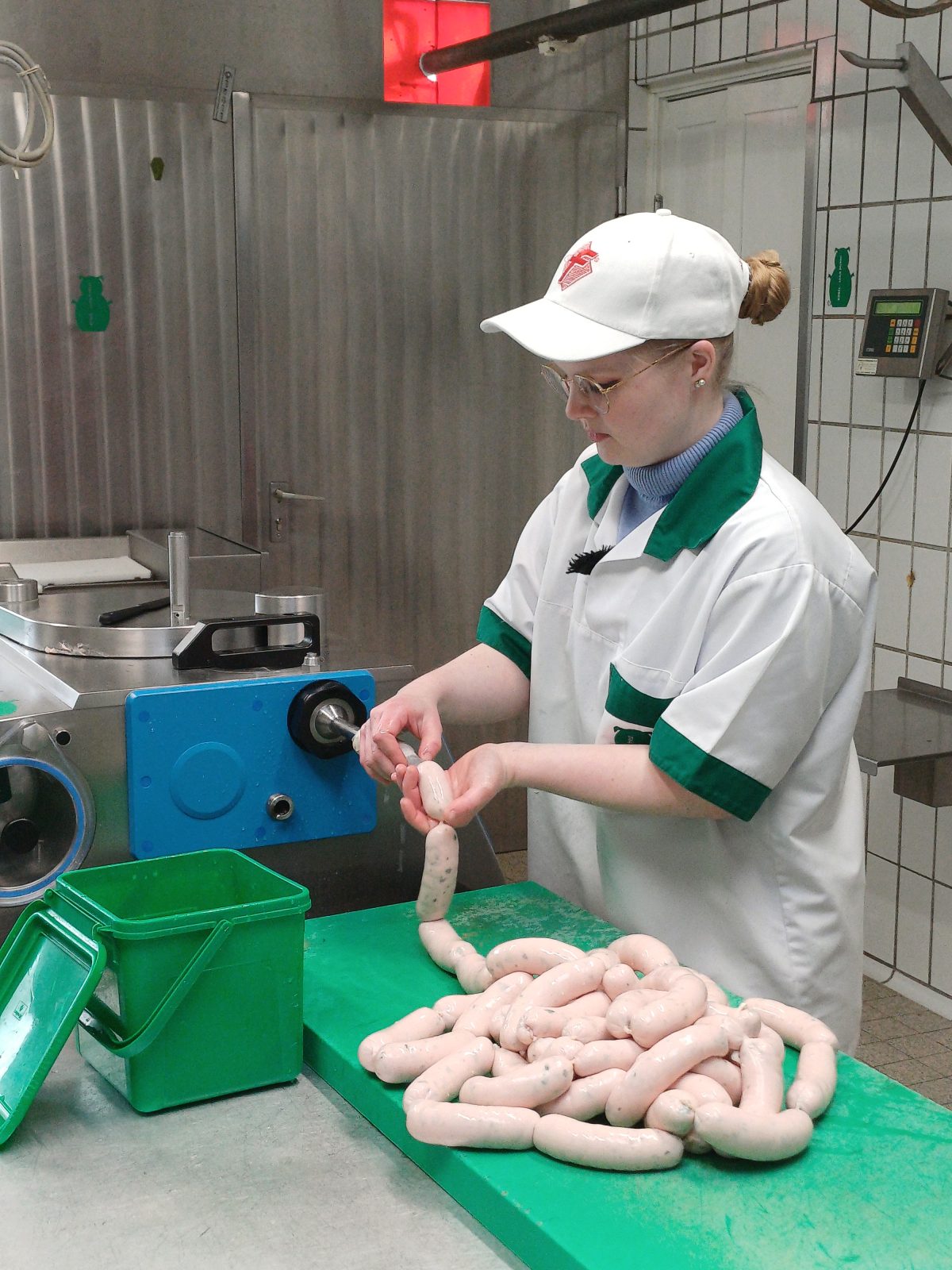
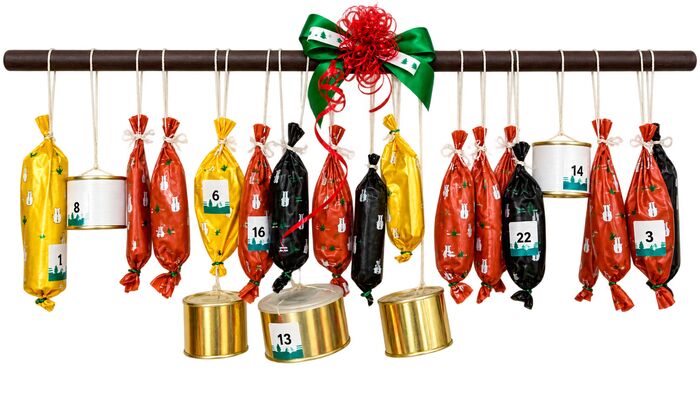
Auch bei der Verpackung wird dem Thema Metzgerei treu geblieben: Die einzelnen Überraschungen sind in echte Wurstdärme gefüllt und abgeclippt.
Die 24 befüllten Därme werden anschließend auf einem Räucherstecken aus Holz aufgehangen, der mit einer weihnachtlichen Schleife dekoriert ist.
So wird aus dem Wurst- Adventskalender ein echter Hingucker. Einfach zu Hause an die Wand hängen und das Warten auf Weihnachten kann beginnen. Jeden Tag ein Darm weniger – und die Vorfreude auf Weihnachten wird größer!
Die Premium-Version: Adventskalender und Weihnachtsgeschenk in einem
Wer sich oder einem besonderen Menschen noch mehr gönnen möchte, kann sich für unsere Premium-Version entscheiden.
Zusätzlich zu den 24 Überraschungen enthält die Variante kleine Zettelchen mit Botschaften und Informationen rund um die Inhalte. Das Highlight: ein Gutschein für eine Übernachtung im BRATWURSThotel.
Damit wird der BRATWURST-Adventskalender zum perfekten Weihnachtsgeschenk für echte Bratwurstfans.
24 doors. 24 times BRATWURST. 24 days of excitement
How would the advent season be without a little surprise every day? And how would Christmas be without the classic Franconian BRATWURST?
I have combined both and created a very special advent calender: the BRATWURST advent calender of the butcher shop Böbel.
This advent calender is anything but ordinary and just the right thing for bratwurst lovers, foodies and sausage fans.
24 sausage-themed surprises are waiting to be discovered behind the 24 doors. It’s of course not the classic BRATWURST every day. You can find BRATWURST specialities from our sausage kitchen and baked goods.
Not everything packed inside the casing is meant to be eaten! You can find non-food items as well. For example, you will find a spice mill inside the advent calender.
Which spice is inside it? That remains a secret until you open it.
I will only reveal as much: Those who know us and our concept might already guess which spice is waiting to be used 😊.
Authentically styled surprises
We have the butchery and sausage theme in mind when it comes to the packaging as well. The surprises are filled in sausage casings.
The 24 casings are on a wooden smoking stick which is decorated with a festive Christmas bow.
This turns the sausage advent calender into a real eye-catcher. Simply hang it on the wall at home and the countdown to Christmas Eve can begin. One Casing less every day – and the excitement for Christmas grows.
The Premium version: advent calender and Christmas gift in one
You can choose the premium version if you want to treat yourself or a special person more. This version includes small notes with messages and information about the content. The highlight: a voucher for an overnight stay at the BRATWURSThotel.
This makes the sausage advent calender a perfect Christmas gift for true BRATWURST fans.